
Trailer Safety 2025

    Trailer Safety is not optional

    In New York, Inspection and Maintenance Aren’t Optional.
    For many, hooking up a trailer means the start of a weekend adventure or the beginning of a big project. Whether you’re hauling a boat to the Finger Lakes, an ATV to the trails, or equipment to a job site, it’s easy to focus on the destination and overlook the very thing making the journey possible: the trailer itself.
    At Brooks Factory Direct Trailers, we believe that safety is the most critical component of any haul. Too often, trailer maintenance is treated as an afterthought. However, proper upkeep is not just a good idea—it’s a matter of trailer safety, responsibility, and New York State law.

    At Brooks Factory Direct Trailers, we believe that safety is the most critical component of any haul. Too often, trailer maintenance is treated as an afterthought. However, proper upkeep is not just a good idea—it’s a matter of safety, responsibility, and New York State law.

    The Law of the Land: NYS Annual Trailer Inspections

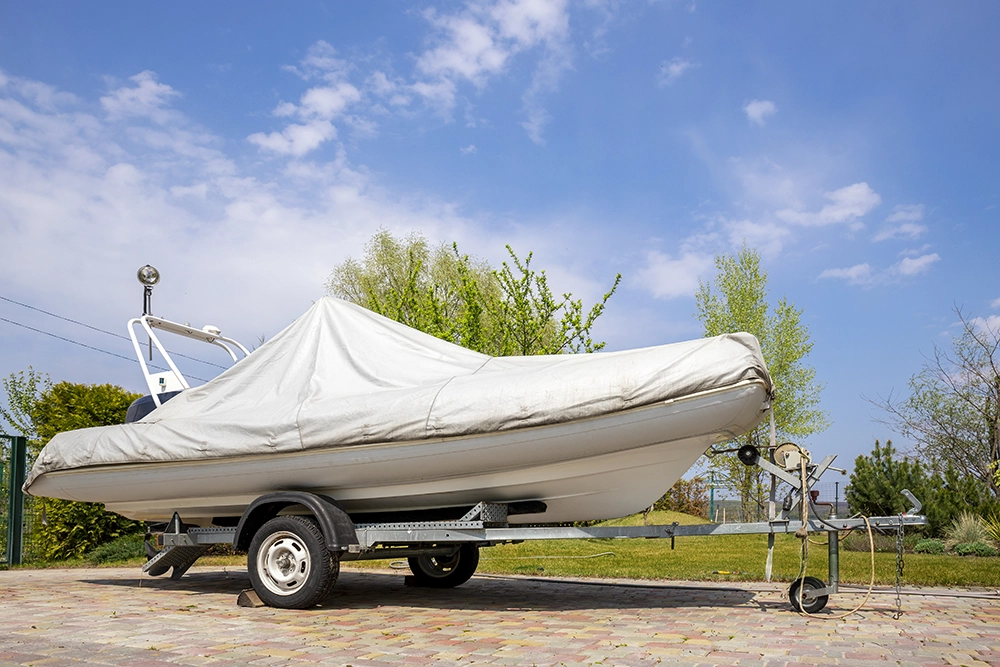
    Many trailer owners are surprised to learn that in New York State, virtually all trailers are required to undergo a trailer safety inspection every 12 months. This isn’t just for the big commercial rigs; it applies to your personal boat trailer, utility trailer, and camper, too.
    Trailer safety

    A licensed New York State inspection station will check critical components, including:

        • Tires and wheels
        • Braking system (if equipped)
        • Lighting and electrical systems (brake lights, turn signals)
        • The chassis, frame, and hitch for structural integrity


      The Penalties for Neglect

      What happens if you decide to skip the inspection? The consequences can range from inconvenient to catastrophic, you can’t overlook trailer safety. If you are pulled over, you can face fines and court fees for operating an uninspected vehicle. Furthermore, in the unfortunate event of an accident, an expired or missing inspection sticker can become a significant liability issue. Insurance companies may scrutinize your claim, and you could be held financially and legally responsible if neglect is found to be a contributing factor.

      The Unseen Hero: Your Trailer’s Brakes

      While a small utility trailer might not require them, any trailer with a significant Gross Vehicle Weight Rating (GVWR) must have a functional braking system. Your tow vehicle’s brakes are engineered to stop the weight of the vehicle itself, not an additional several thousand pounds of trailer and cargo.

      The physics are simple but unforgiving. The added mass of a trailer dramatically increases your stopping distance and the kinetic energy (K=21​mv2) that must be dissipated during braking. Without its own brakes, a trailer can push the tow vehicle, leading to a loss of control, jackknifing, or the inability to stop in time to avoid a collision. Whether your trailer has electric or surge brakes, they must be in perfect working order.

      Protecting Life, Limb, and Property

      Ultimately, trailer safety is about more than just avoiding a ticket. It’s about protecting yourself, your family, and everyone else on the road. A wheel separating from a trailer at highway speed becomes an unguided missile. A lighting failure can cause a devastating rear-end collision at night. A brake failure on a downhill grade can be catastrophic.

      A well-maintained trailer is a safe trailer. A properly inspected trailer is a legal trailer. The small amount of time and money invested in an annual inspection and routine maintenance pales in comparison to the potential cost of an accident.

      Before your next trip, take a moment to look over your trailer. Better yet, bring it to a trusted professional. At Brooks Factory Direct Trailers, we’re not just here to sell you a quality trailer; we’re here to ensure you can use it safely for years to come. Don’t take a chance—your life and the lives of others could depend on it.

      Contact us
      DMV Motor Vehicle Inspection regulations