To ensure your equipment performs reliably, small engine maintenance for landscapers, involves routine oil changes, spark plug inspections, and fuel system cleaning before the spring rush begins. Completing these tasks now prevents costly downtime and ensures your landscape trailers are road-ready when the weather breaks. Consequently, proactive service is the most effective way to protect your seasonal income.
Why Is Early Small Engine Maintenance for Landscapers is Crucial?
For a professional landscaper, time equals money. You likely manage a crew of two to five people. Therefore, a broken mower or a faulty trailer gate halts your entire operation. If your equipment sits idle, your revenue stops instantly. You cannot afford to wait until May for a tune-up. Furthermore, repair shops often have weeks-long backlogs once the grass starts growing. By focusing on small engine maintenance for landscapers today, you avoid the frantic rush. You also ensure your machines start on the first pull.
Essential Steps for Professional Small Engine Maintenance for Landscapers
Landscapers rely on specialized machinery like zero-turns, blowers, and trimmers. Each piece of gear requires specific attention. Use the following table to track your progress.
Maintenance Checklist for Landscape Equipment
| Component | Action Required | Frequency |
| Engine Oil | Drain and replace with high-grade synthetic. | Every 50 hours |
| Air Filter | Clean or replace to ensure proper airflow. | Monthly |
| Spark Plugs | Inspect for carbon buildup and gap correctly. | Annually |
| Fuel System | Drain old gas and add fresh fuel stabilizer. | Every 3 months |
| Blades/Belts | Sharpen blades and check belts for cracks. | As needed |
Maximizing the Lifespan of Your Landscape Trailers
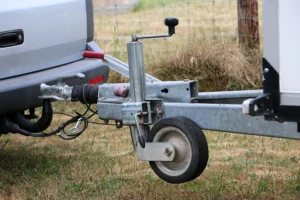
Your trailer is the backbone of your mobile workshop. However, many owners overlook the structural health of their haulers. First, you should inspect the wheel bearings. Dry bearings lead to roadside disasters. Next, check the electrical connections and light housings. Salt from the winter air often corrodes these points. Also, look at the floorboards for rot or soft spots. Replacing a single board now is easier than fixing a collapsed floor during a busy week.
The Technical Reality of Engine Wear
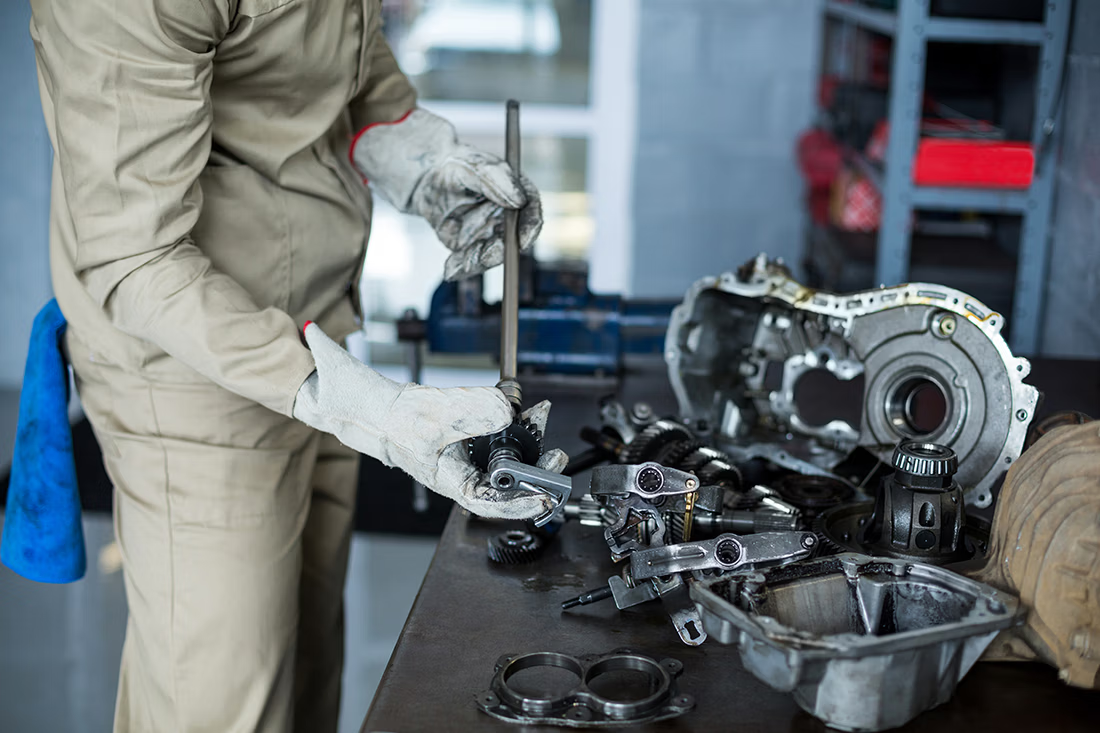
Friction is the primary enemy of your power equipment. Over time, heat breaks down the viscosity of your motor oil. As a result, internal components grind together. This lead to permanent engine failure. Therefore, small engine maintenance must include a focus on lubrication. Clean oil carries heat away from the piston and cylinder walls. Additionally, fresh oil prevents the buildup of sludge. If you ignore these basics, you essentially throw money into a scrap heap.
Why Brooks Factory Direct Trailers Is Your Strategic Partner
Quality service requires expertise and the right parts. Brooks Factory Direct Trailers offers a location with deep small engine maintenance knowledge to keep your crew moving. We understand the specific demands placed on commercial landscaping equipment.
- Visit us at 240 Route 104, Ontario, NY 14519.
Managing the Cost of Preventative Care
Some skeptics view maintenance as an unnecessary expense. Nevertheless, the cost of a new engine far exceeds the cost of an oil filter. For instance, a basic small engine maintenance kit costs very little compared to a $2,000 replacement motor. Furthermore, well-maintained equipment holds a much higher resale value. If you decide to upgrade your fleet later, service records prove your professionalism to buyers.
Transitioning from Winter Storage to Spring Action
Before you head to the first job site, run a full load test. Hook your fully loaded trailer to your truck. Then, drive it for fifteen minutes. Listen for unusual rattles or squeaks. Similarly, start every piece of equipment and let it reach operating temperature. If a machine struggles to idle, it needs immediate small engine maintenance. Addressing these issues in your driveway is much better than doing it on a client’s lawn.
Expert Q&A: Small Engine and Trailer Care
Q1: How often should I change the oil in my commercial mower?
A: You should generally change the oil every 50 hours of operation. However, dusty conditions may require more frequent changes to protect the engine.
Q2: What is the best way to prevent fuel clogs during the off-season?
A: Always use a high-quality fuel stabilizer. Alternatively, you can drain the fuel system entirely to prevent varnish from forming in the carburetor.
Q3: Can I perform small engine maintenance myself?
A: Yes, basic tasks like changing filters and plugs are manageable. But, for internal timing or governor issues, you should consult the experts at Brooks Factory Direct Trailers.
Q4: How do I know if my trailer bearings need grease?
A: Jack up the trailer and spin the wheel. If you hear a grinding noise or feel play in the hub, you need immediate service.
Q5: Why is the spark plug so important for engine performance?
A: The spark plug dictates the efficiency of the combustion cycle. A fouled plug causes misfires. Consequently, this leads to wasted fuel and low power.
Contact Brooks Factory Direct Trailers today to schedule your small engine maintenance and ensure your fleet is ready for the upcoming season at our Ontario location.