Maximizing Uptime: Spring Maintenance Protocols for Cargo Trailers
Preparing utility trailers for the construction season requires a rigorous audit of the axle hubs, braking systems, and structural welds. Specifically, contractors must inspect wheel bearings and structural integrity immediately to avoid roadside failures that halt project timelines. This preventative approach ensures DOT compliance and secures your revenue stream against preventable equipment failure.
The Direct Link Between Maintenance and Profit
In the construction industry, time equates to money. Consequently, a broken trailer is not merely an inconvenience; it is a direct hit to your bottom line. When your crew stands idle on the roadside, you lose billable hours. Furthermore, project deadlines slip. Clients notice these delays. Therefore, reliability is your most valuable asset.
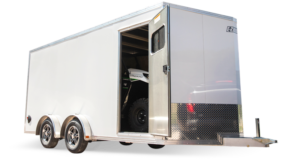
Your Cargo trailers endure immense stress. They haul heavy skid steers, pallets of pavers, and raw materials. Thus, they require the same mechanical attention as your trucks. Moreover, addressing wear items now is significantly cheaper than an emergency repair. Ultimately, preparation protects your profit margin.

Critical Hub and Suspension Analysis
The suspension system bears the brunt of every pothole and heavy load. Therefore, it demands a thorough inspection.
- Wheel Bearings: These are the most common failure points. You must clean and repack bearings annually. If you hear a grinding noise, damage has likely occurred already.
- Leaf Springs: Inspect springs for flattening or cracks. Additionally, check the hangers for elongation. Worn suspension parts cause dangerous instability.
- Axle Alignment: uneven tire wear often indicates a bent axle. Consequently, this destroys tires rapidly.
- Lubrication Points: Grease all zerks on the suspension shackle bolts. Dry bolts wear through quickly.
Tire Integrity and Load Capacity Verification
Tires on cargo trailers fail differently than truck tires. usually, they rot before they wear out.
First, check the date code on the sidewall. Manufacturers recommend replacing tires every five to six years, regardless of tread depth. Next, verify the Load Range. You must strictly adhere to the weight ratings. Overloading a tire causes internal heat buildup. Subsequently, the tire blows out. Finally, inspect the valve stems. Cracks here lead to slow leaks.
Electrical System Continuity and Safety
Lighting issues attract fines and cause accidents. However, most issues stem from poor grounds.
- Ground Connections: Ensure the main ground wire contacts bare metal. Rust blocks the current.
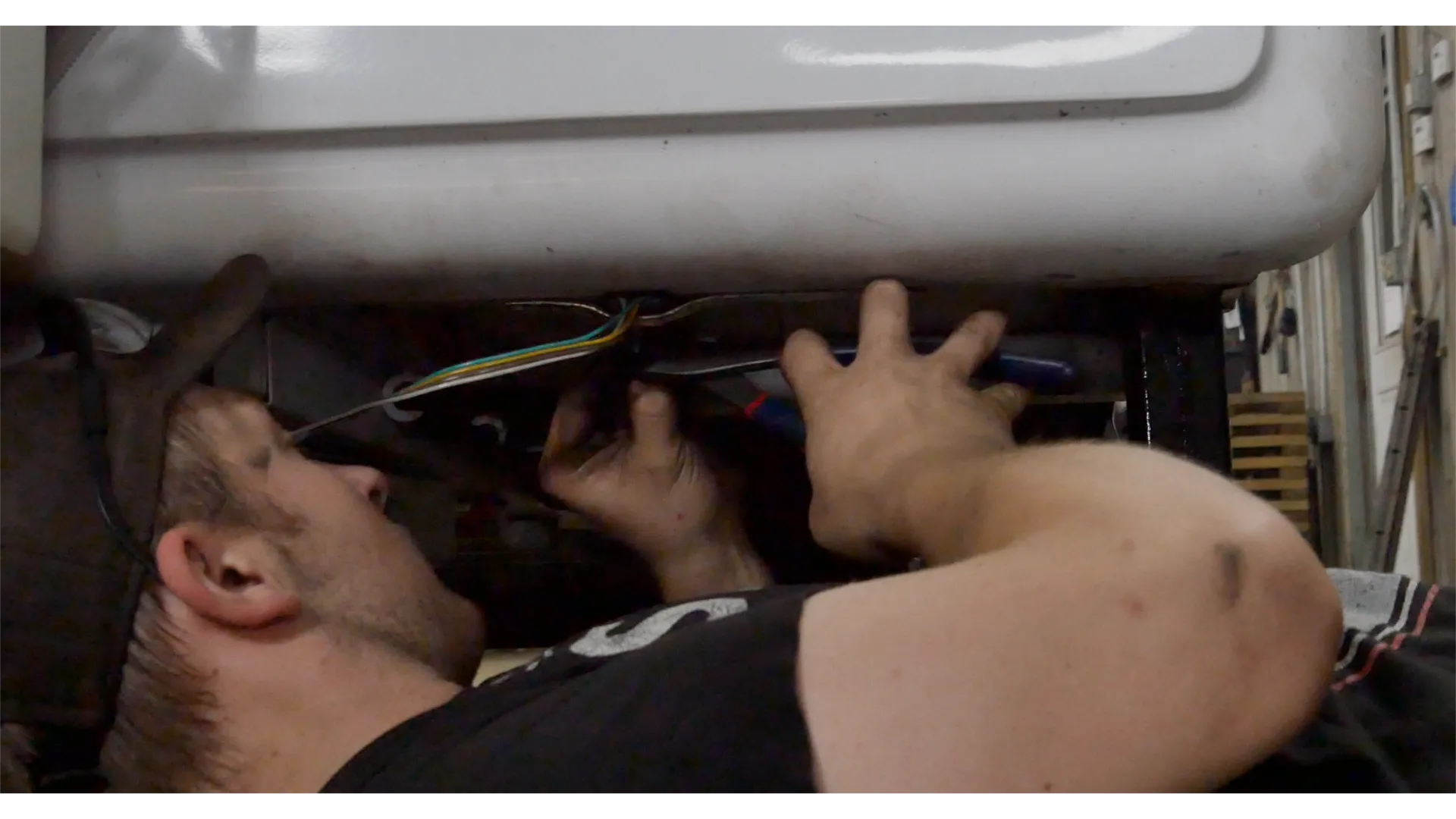
- Harness Integrity: Look for rub points where the wire passes through the frame. Use grommets to protect the insulation.
- Connector Plugs: Clean the pins on your 7-way plug. Corrosion here causes intermittent failure.
- Break-Away Switch: Test this safety device. It must activate the brakes if the trailer detaches.
Coupling and Structural Welding Inspection
Your safety chains and coupler are the final line of defense. Therefore, inspect them rigorously.
Check the coupler mechanism for smooth operation. If it jams, replace it. Furthermore, inspect the safety chain classification. The chains must be rated for the trailer’s Gross Vehicle Weight Rating (GVWR). Additionally, scan the frame welds for stress cracks. Heavy equipment creates vibration. Over time, this vibration fatigues the metal.
Leveraging Specialized Expertise
While you focus on the job site, we focus on your equipment. Brooks Factory Direct Trailers offers specialized knowledge in both trailers and the small engines you haul. We understand that a contractor’s trailer transports their livelihood. Our teams in Ontario and Oswego provide the technical support you need. We know small engines. We know trailers. Thus, we are your partner in productivity.
Maintenance Frequency Table
| Component | Inspection Interval | Critical Action |
| Wheel Hubs | 12 Months / 12,000 Miles | Repack with high-temp lithium grease. |
| Brake Shoes | 12 Months | Adjust and inspect for lining thickness. |
| Tire Air Pressure | Weekly | Inflate to max PSI (Cold). |
| Safety Chains | Daily | Inspect hooks and links for stretching. |
| Coupler Lock | Monthly | Lubricate mechanism and check fitment. |
Conclusion: Secure Your Season Now
Do not wait for the first job to inspect your fleet. By then, it is too late. Instead, act now. Your Cargo trailers must be ready to perform. Every hour you spend on maintenance today saves you ten hours of frustration later. Protect your business. Maintain your equipment.
Frequently Asked Questions
1. How do I know if my trailer bearings need replacement?
You should jack up the trailer and spin the wheel while listening for grinding noises. Additionally, grab the tire at the 12 and 6 o’clock positions and wiggle it; significant play indicates loose or worn bearings.
2. What is the proper tire pressure for heavy-duty Cargo trailers?
Always run trailer tires at the maximum pressure listed on the sidewall, which is often 50, 65, or 80 PSI. Running them lower causes excessive heat generation and leads to catastrophic sidewall failure.
3. Why do my trailer brakes lock up unexpectedly?
This often happens due to a short in the brake wiring or a faulty brake controller in the tow vehicle. However, it can also result from brake shoes that are out of adjustment or contaminated with grease.
4. Can I weld a crack on my trailer frame myself?
You should only weld the frame if you are a certified welder using proper techniques for high-tensile steel. Improper welding can weaken the steel further, leading to total structural failure under load.
5. How often should I check the breakaway battery?
You must check the breakaway battery before every trip to ensure it holds a charge. Furthermore, replace the battery every two years, as a dead battery renders the emergency braking system useless.
Equip your business for success with the experts at Brooks Factory Direct Trailers at 240 Route 104, Ontario, NY 14519 or 7911 State Route 104, Oswego, NY Contact us today to make your appointment.